A sofa is the piece every living room is built around. It sets where people sit, how traffic moves through the room, and how the space feels the moment someone walks in. Yet shopping for a modern sofa can be surprisingly confusing: dozens of silhouettes look nearly identical on a screen, and the language around them rarely explains what actually changes the experience of sitting down every day.
The questions that matter are simpler. Does the shape fit the architecture of your home? Will the cushions still feel supportive after a year of movie nights? Does the fabric tolerate the way your household really lives? This guide works through those questions in order, starting with what modern means in practical terms, then moving to room fit, comfort, and the details that help a sofa age well. By the end, you should be able to judge a sofa on structure and daily use rather than on a photograph alone.
What Makes a Sofa Feel Modern
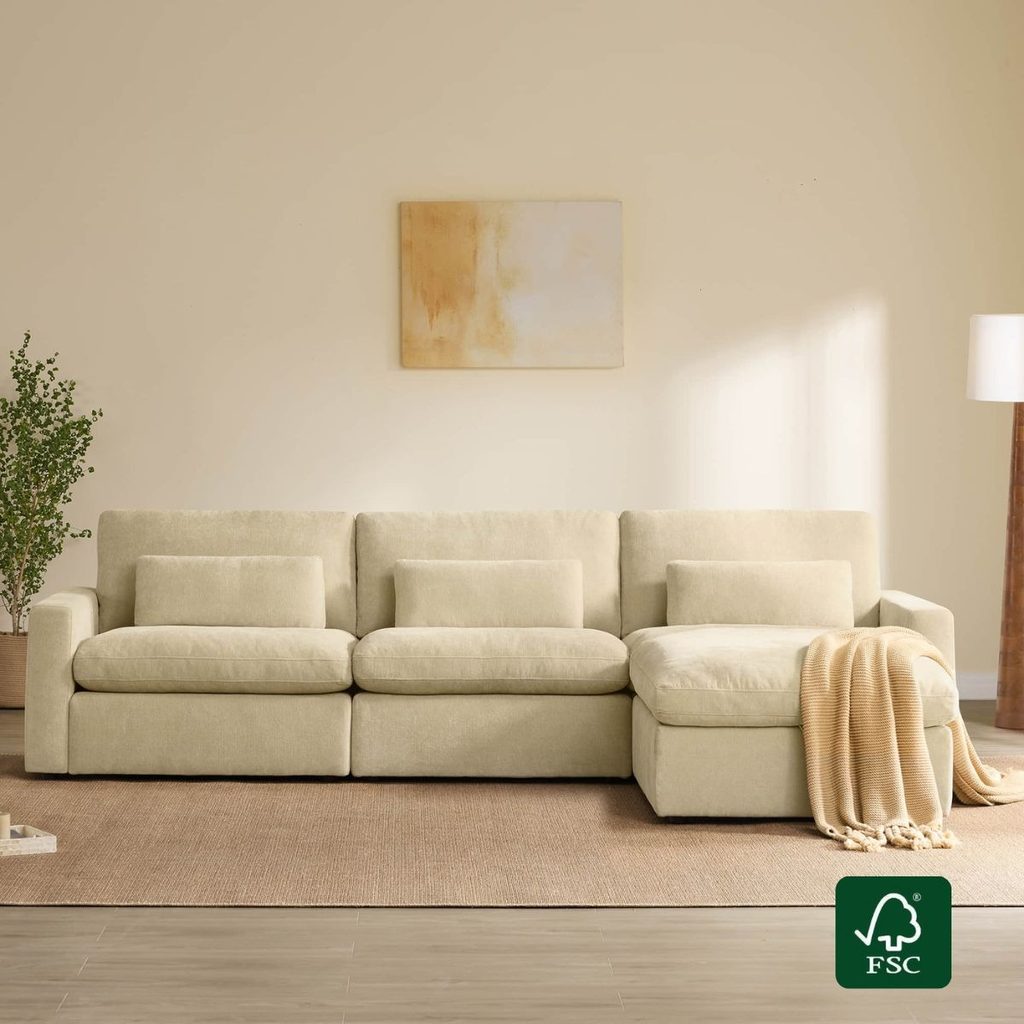
The word modern gets attached to nearly every sofa listing, so it helps to separate the label from the design. A genuinely modern sofa usually begins low to the floor, keeps its lines unbroken, and lets the legs show rather than hiding the base behind a skirt. Those choices create visual breathing room, which is why a well-proportioned modern sofa can make a compact apartment feel larger instead of crowding it.
Materials carry as much weight as shape. Tight-back upholstery, subtle piping, and a restrained palette of warm neutrals, charcoal, or muted greens read as current without chasing a trend. Heavy tufting, glossy synthetic leather, and oversized rolled arms tend to pull a room backward in time. None of those features is wrong on its own, but each signals a different era and can fight the clean architecture that modern rooms depend on.
Trend resistance is worth paying for. A sofa with simple geometry can be restyled for years with cushions, rugs, and lighting, while a sofa built around a passing detail locks the whole room to that moment. Look at the frame from the side and back as well. A finished back and consistent seam lines suggest the piece was designed to be seen from every angle, not just photographed head-on.
Matching a Sofa to the Room, Not the Catalog
A sofa that looks perfect in a showroom can overwhelm a small living room or disappear in a large one. The fix is to treat the room as the specification and the sofa as the answer, rather than the other way around.
Measure First, Style Second
Mark the sofa’s footprint on the floor with painter’s tape and live with it for a day. Walk the path you take with groceries, laundry, and a cup of coffee. Aim to keep at least thirty inches of clearance on main walkways and a comfortable reach to the coffee table. If the taped rectangle leaves no room to pass, no amount of good design will make the sofa feel right in that spot.
Also measure the path into the room. Stairwells, elevator doors, and tight hallway turns reject more sofas than floor plans do. A low back and removable legs solve many delivery problems, but only if you check before ordering.
Proportion and Visual Weight
Height matters as much as width. A low back keeps sightlines open, which helps in rooms where the sofa sits in front of a window or divides two zones. Deep seats invite lounging but demand more floor space in front of them, so balance a deep sofa with a narrower coffee table and a slightly larger rug. Visual weight is the final test: a pale, leggy sofa recedes, while a dark, skirted one anchors. Choose the effect your room needs, not the one the catalog staged.
Comfort Is a Structural Decision
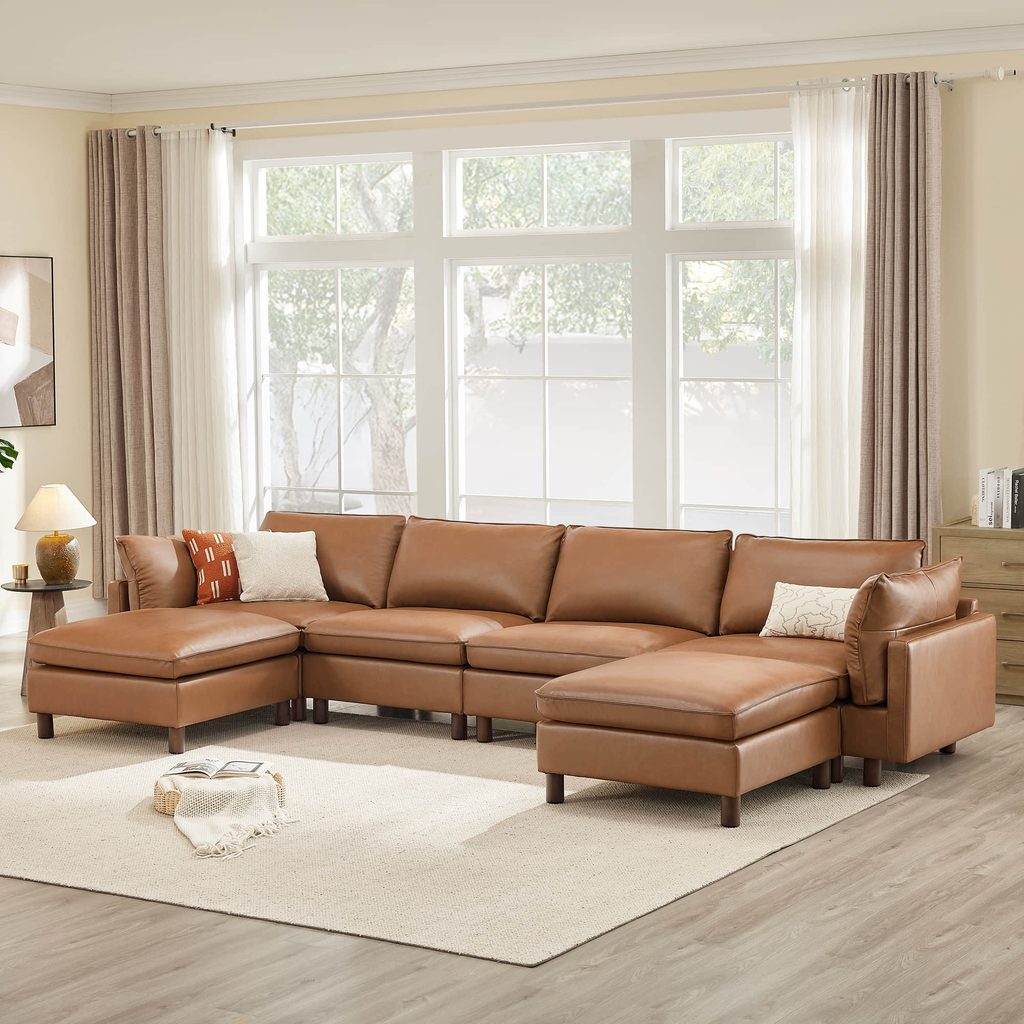
Seat depth is the fastest way to sort sofas into categories. Around twenty to twenty-two inches suits people who like to sit upright with their feet on the floor, which works well for conversation and reading. Beyond twenty-four inches, the sofa becomes a lounger: wonderful for reclining, awkward for guests who want to perch and talk. Measure your current sofa at the spot where you actually sit, then compare.
Cushion construction decides whether the sofa still feels good in year three. High-density foam keeps its shape and is the easiest to live with, while feather wraps add softness at the cost of regular fluffing. A foam core with a feather blend on top is a common compromise. Whatever the filling, ask how the covers attach; removable, cleanable covers extend the useful life of the piece more than any single comfort feature.
Underneath it all, the frame does the quiet work. Kiln-dried hardwood, reinforced corner blocks, and a supported deck keep a sofa from sagging. Brands such as CHITA LIVING show that a clean, modern silhouette does not require giving up support, provided the construction is taken seriously and not hidden behind marketing copy. Sit at the edge, the middle, and the corner; a well-built sofa feels consistent across all three.
Try It the Way You Actually Sit
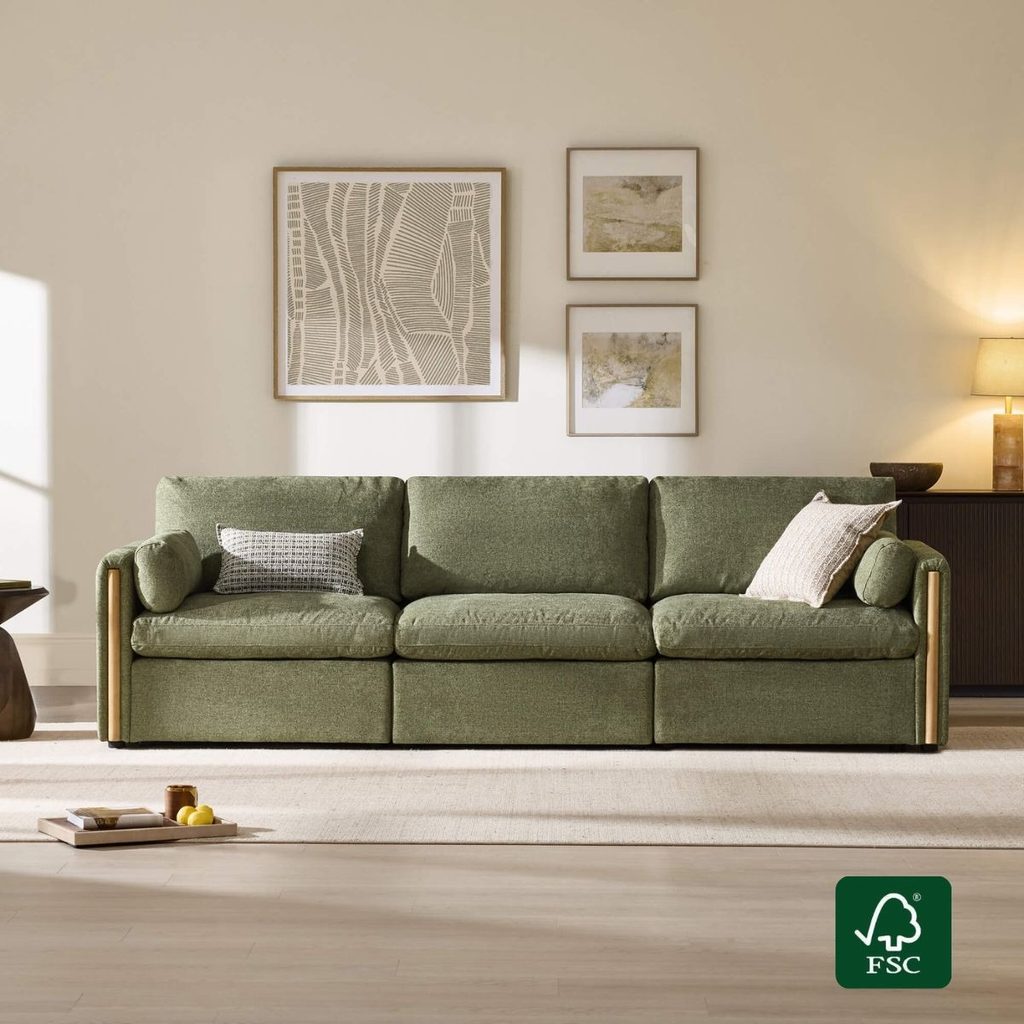
Most people test a sofa by lowering themselves onto the middle cushion for a moment, which tells you almost nothing. Sit the way you would on a normal evening: with your feet flat, leaning back, with a laptop, then cross-legged, then sideways with your legs over the arm. Note where your back meets the frame and whether your knees are supported. Seat height of roughly seventeen to nineteen inches suits most adults, while lower seats feel more relaxed and slightly harder to rise from.
Arm height matters more than it appears. Arms that sit low enough to lean against encourage lingering; arms that are too high make the sofa feel like a bench with walls. If you plan to nap on the sofa, check that the cushions are deep enough to lie sideways without your head resting on the armrest. Five minutes of honest testing beats any specification sheet.
Living With a Modern Sofa Day to Day
The first year with a sofa reveals habits you did not plan for: sunlight landing on one arm, a dog claiming the same corner, cups set down in the same spot. A little routine keeps the piece looking even rather than developing obvious wear patterns.
Rotate and flip the cushions weekly if they are reversible, and vacuum the seams and under the seat deck monthly with a brush attachment. Sun exposure fades fabric unevenly, so pull the sofa a few inches away from a window or use a sheer curtain during the brightest hours. Throws protect high-traffic seats and wash far more easily than cushion covers, which makes them a practical line of defense rather than just decoration.
Spot-clean with the method the fabric calls for, and test any product on a hidden area first. Avoid machine-washing covers unless the label allows it, since hot water and agitation can shrink or distort the weave. A modern sofa with simple lines and textured fabric can look new for years with this level of attention, and it avoids the slow drift toward faded seats and flat cushions that makes people replace furniture too soon.
Details That Age a Sofa Quickly
Some flaws only surface after months of use, but most leave clues in the showroom. Run through a short checklist before you commit:
- Fabric pilling and loose weave, which show wear early on seats and arms.
- Short legs or a recessed base that make vacuuming awkward and trap dust.
- Cushions without zippers or washable covers, which limit how long the sofa stays fresh.
- Sharp-edged arms positioned where people naturally drop their hands.
Color is the other slow-burning decision. Very light fabrics in a household with pets or young children demand constant attention, while very dark fabrics reveal lint and fading. A mid-tone textured weave hides the most and photographs honestly. Request a swatch and look at it in your own room at different times of day before deciding.
The Sofa That Earns Its Place
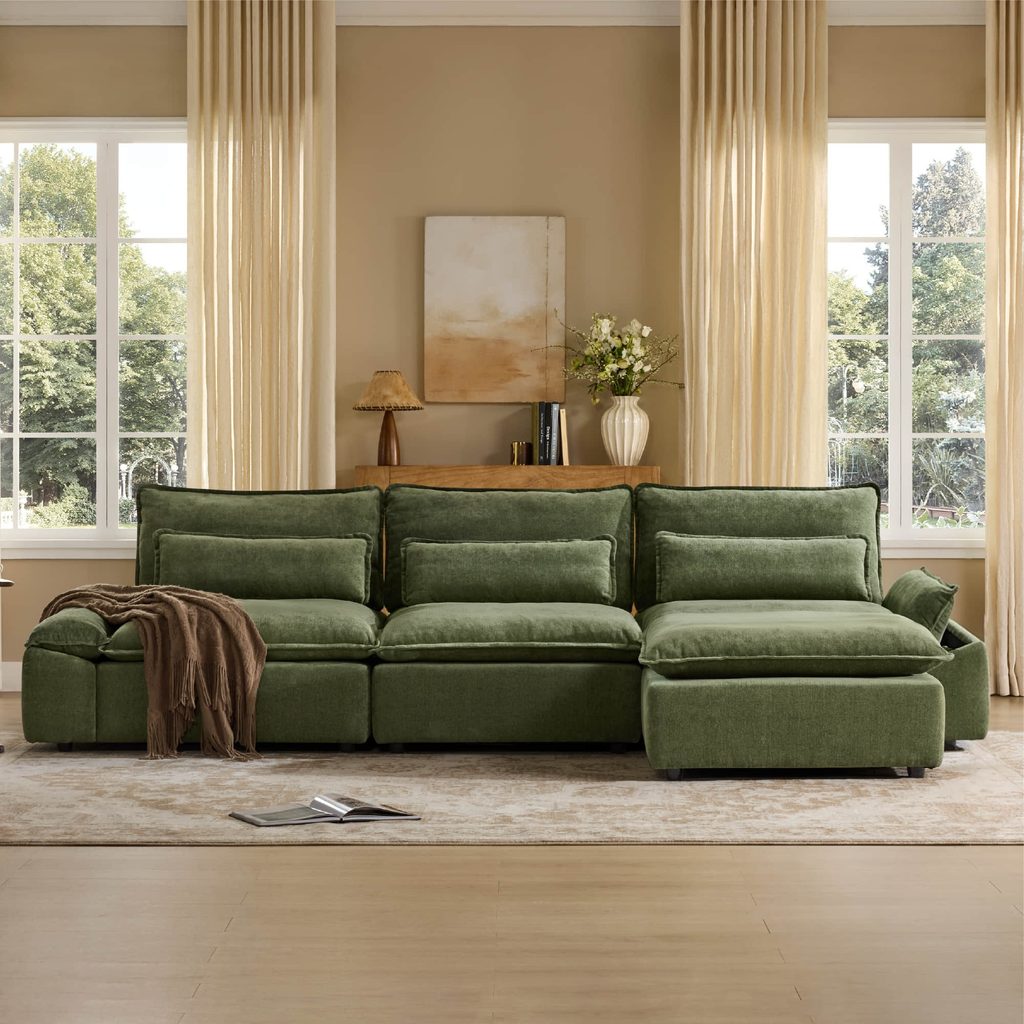
A modern sofa should do two jobs at once: hold the room together visually and hold up under real life. When those goals conflict, comfort and construction deserve the benefit of the doubt, because a beautiful sofa that sags or stains becomes a daily irritation. Start with measurements, narrow the field by seat depth and cushion type, then choose the silhouette that fits the architecture you already have.
The best outcome is a sofa you stop noticing in the good sense. It supports long conversations, absorbs an afternoon nap, and still looks intentional when the cushions are flat and the throw blanket is missing. Buy for the room you live in, not the one in the catalog, and the piece will keep earning its place for years.