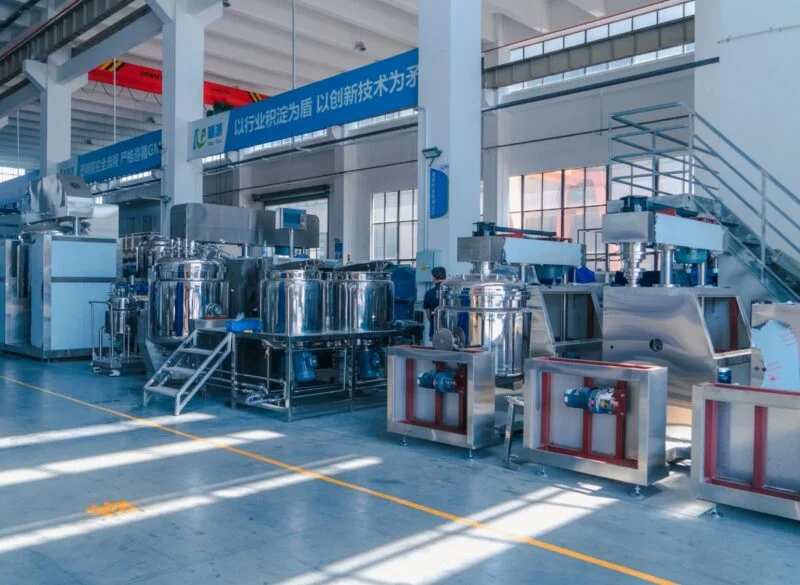
Core Components of a Syringe Filling and Stoppering Machine
At the heart of every reliable syringe filling and stoppering machine lies a set of interlocking components designed to handle fragile glass or plastic parts, precise liquid dosing, and secure sealing. The infeed system, for example, typically uses vibratory bowl feeders to process bulk raw syringe barrels or pre-assembled units, sorting them to ensure consistent orientation. These bowls are calibrated to adjust vibration frequency based on the syringe size—smaller insulin syringes require gentler vibration to avoid damage, while larger veterinary syringes can handle stronger oscillations. Photoelectric sensors are integrated into the feeder tracks to detect misaligned units, which are immediately ejected via pneumatic reject arms to prevent jams downstream.
The filling station is one of the most critical modules, as it directly impacts product accuracy and quality. Two primary pump types are used here: peristaltic pumps and piston pumps. Peristaltic pumps rely on rotating rollers to squeeze a flexible tube, moving liquid without any direct contact between the pump mechanism and the product—this makes them ideal for shear-sensitive biologics or mRNA vaccines, which can degrade if exposed to friction. Piston pumps, by contrast, use a calibrated cylinder and plunger to deliver exact fill volumes, with tolerances as tight as ±0.1% for high-precision applications like insulin. The filling nozzles are made of medical-grade stainless steel, with a smooth surface to prevent liquid adhesion, and are positioned just above the syringe’s base to minimize splashing and air bubble formation.
The stoppering module works in tandem with the filling station to seal each syringe with a rubber stopper, usually made of bromobutyl or chlorobutyl rubber to resist chemical interaction with injectable products. Stoppers are fed from a separate vibratory bowl, sterilized via gamma irradiation before entering the machine, and aligned using small mechanical grippers. The stopper insertion head applies a controlled force—ranging from 50 to 200 Newtons, depending on the syringe material: glass syringes need lower force to avoid cracking, while rigid plastic syringes can handle higher pressure. Additional components include a programmable logic controller (PLC) that manages all machine operations, a human-machine interface (HMI) for operators to adjust settings, and a cleaning-in-place (CIP) system that circulates sanitizing agents through contact parts between batches to meet sterility requirements.
Step-by-Step Working Principles
The operation of a syringe filling and stoppering machine follows a linear, automated sequence that minimizes human intervention and maximizes consistency. The first step is infeed and orientation: bulk syringes are poured into a hopper, then transferred to the vibratory bowl feeder. The bowl’s internal tracks guide each syringe to flip into the correct orientation—for most pre-filled syringes, this means the open neck (where the stopper goes) faces upward, while for some specialty syringes, the needle hub is aligned for later assembly. Any unit that fails to align is detected by a sensor and rejected before reaching the filling station, reducing waste and downtime.
Next comes the filling phase: aligned syringes move along a conveyor belt to the filling station, where the selected pump delivers a pre-measured volume of liquid. For temperature-sensitive products like mRNA vaccines, the machine is equipped with insulated lines and temperature sensors that maintain the product at 2 to 8 degrees Celsius throughout the process. The nozzle retracts immediately after filling to avoid dripping, which can contaminate the syringe’s interior or surrounding equipment. For syringes that already have a plunger inserted (common in pre-filled insulin syringes), the filling nozzle deposits liquid just above the plunger, leaving a small air gap to allow for smooth plunger movement later.
The stoppering step follows immediately after filling: the aligned stoppers are picked up by a linear stopper head, which lowers the stopper into the syringe’s neck. The head applies a gradual, controlled force to ensure the stopper is seated tightly without damaging the syringe. Once the stopper is in place, a small indentation may be added to the stopper’s top for easy plunger engagement during administration. After stoppering, the syringes move to a final inspection station, where high-resolution cameras and laser sensors check for defects: underfilled or overfilled syringes, cracked barrels, misaligned stoppers, or foreign particles. Defective units are diverted to a reject bin, while passing syringes move to downstream packaging or labeling modules.
Key Industry Applications and Customization Needs
Syringe filling and stoppering machines are used across a range of industries, but their primary application is in pharmaceutical manufacturing, particularly for pre-filled syringes (PFS) which have grown in popularity due to patient convenience and reduced administration errors. According to a 2023 Grand View Research report, the global market for PFS is projected to reach $45 billion by 2028, driving demand for specialized filling and stoppering equipment. These machines are customized to handle different product types: for vaccines, they must support high throughput (up to 15,000 syringes per hour), while for rare biologic drugs, they may be designed for small batch sizes with extreme precision.
A notable case study comes from a mid-sized biotech firm that partnered with a machine manufacturer in 2022 to develop a custom line for their monoclonal antibody injections. The company needed a machine that could handle high-viscosity liquid (10,000 centipoise, similar to honey) with consistent fill volumes, as standard peristaltic pumps could not deliver the required accuracy. The manufacturer modified the line with high-torque piston pumps and a specialized nozzle design that prevented the viscous liquid from clinging to the nozzle. The line also included a sterile transfer system to avoid contamination during processing, which was critical for the company’s FDA-regulated production.
Beyond human pharmaceuticals, these machines are used in veterinary medicine, where they are adapted to handle larger syringes for animal vaccines and medications. For example, a livestock vaccine manufacturer may use a machine that fills 5ml syringes with adjuvant-containing vaccines, with a stoppering force adjusted to accommodate thicker rubber stoppers. Some machines are also modified for combination products, like auto-injectors, which integrate a syringe with a spring-loaded needle mechanism. These lines add an extra step after stoppering to attach the needle hub and safety cap, ensuring the final product is ready for immediate use. Smaller-scale manufacturers may also use semi-automated versions of these machines for low-volume production, balancing cost and efficiency for niche products.
Quality Control and Regulatory Compliance
Pharmaceutical production is heavily regulated, so syringe filling and stoppering machines must meet strict standards to ensure product safety and consistency. The primary regulatory frameworks include FDA 21 CFR Part 11 for electronic record-keeping, EU GMP Annex 1 for sterile product manufacturing, and ISO 13485 for medical device equipment. Compliance requires that all machine components are validated, with Installation Qualification (IQ) and Operational Qualification (OQ) documents provided by the manufacturer to prove the machine works as intended for specific product lines.
Key quality control steps integrated into these machines include leak testing, fill volume verification, and particle detection. Leak testing uses pressure decay technology: after stoppering, a small amount of air is injected into the syringe, and sensors measure if the pressure drops below a threshold—any syringe with a leak is rejected to prevent product contamination or degradation. Fill volume verification is done in real time, with each syringe’s weight measured after filling to ensure it meets the required tolerance; for most injectable products, this tolerance is ±1%, though some high-precision drugs require ±0.5% to avoid dosage errors. Particle detection uses laser sensors to identify foreign particles larger than 10 microns, which can cause infections if injected into patients, especially for sterile products.
Regulatory compliance also requires detailed documentation of every production batch. The machine’s PLC logs all critical parameters: fill volume, stoppering force, machine speed, QC test results, and batch numbers. This audit trail is essential for regulatory inspections, as it allows manufacturers to trace any defective product back to its production batch. For example, during a 2021 FDA inspection, a drug manufacturer was able to quickly identify a batch of defective syringes because their machine’s logs showed a temporary drop in stoppering force, which had caused misaligned stoppers. This ability to track issues reduced the recall size from 100,000 units to just 5,000, minimizing financial loss and patient risk. Many manufacturers also conduct annual re-validation of their machines to ensure ongoing compliance with updated regulatory requirements.
Preventive Maintenance and Operational Best Practices
To keep syringe filling and stoppering machines running at peak efficiency, manufacturers rely on a mix of preventive, predictive, and corrective maintenance. Daily checks are the first line of defense: operators should clean the filling nozzles to remove residual product, inspect the vibratory bowls for wear, and check pneumatic lines for leaks. For example, a common issue with peristaltic pumps is tube wear, which can lead to inconsistent fill volumes—daily inspection of the tube’s thickness can catch this before it causes batch errors. Operators should also verify that reject bins are not full, as overfilled bins can cause jams and production stops.
Weekly and monthly maintenance tasks are more in-depth: weekly, operators should calibrate the fill pumps, test the reject mechanism, and clean the stopper feeder to remove any debris that could cause misalignment. Monthly tasks include lubricating moving parts (linear actuators, conveyor belts) with medical-grade lubricants, validating the pressure leak test system, and updating the machine’s software to ensure compliance with new regulatory standards. Many modern machines also use predictive maintenance sensors, which monitor vibration and temperature of critical components—these sensors can alert operators to a pending failure, like a worn bearing, before it causes unplanned downtime. A 2022 study by a pharmaceutical equipment supplier found that plants using predictive maintenance reduced machine downtime by 25% compared to those relying only on preventive maintenance.
Staff training is another critical best practice: operators must be trained on GMP guidelines, machine operation, and basic troubleshooting to avoid human error. For example, an operator who is not trained to adjust the vibratory bowl’s vibration frequency may cause frequent jams, leading to lost production time. Many manufacturers offer hands-on training programs, including simulation modules that let operators practice troubleshooting without affecting production. Spare parts management is also key: keeping a stock of critical parts like nozzles, pumps, and sensors ensures that any replacement can be done quickly, reducing downtime. For high-throughput lines, it’s recommended to keep at least two sets of spare nozzles and pumps, as these parts wear out quickly with heavy use. Regularly reviewing maintenance logs can also help identify recurring issues, allowing operators to adjust maintenance schedules to address specific machine needs.