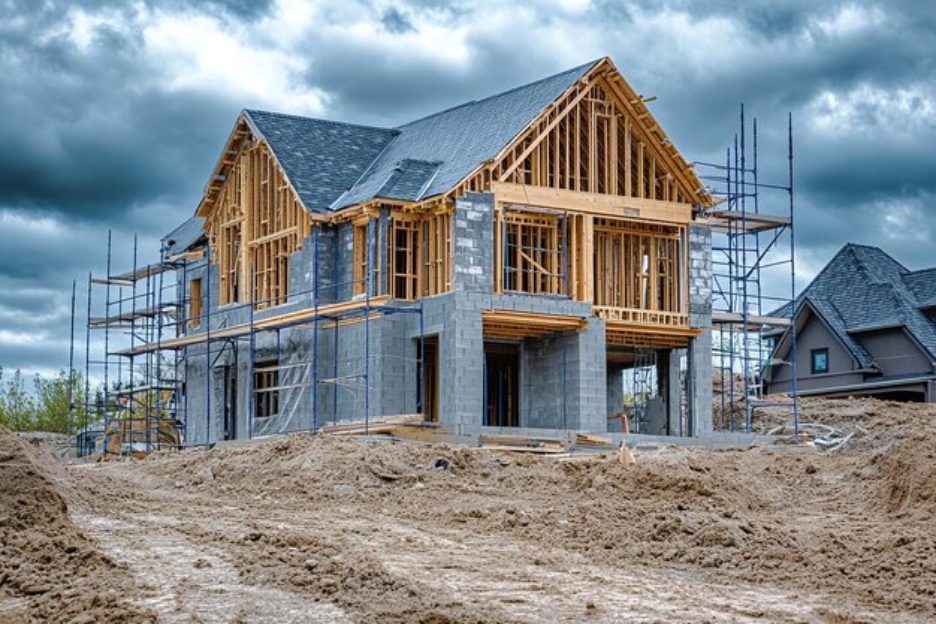
House construction is one of the most important investments in a person’s life. It is not just about building walls and a roof, but about creating a long-term space that reflects comfort, safety, functionality, and lifestyle needs. Whether you are building a small family home or a large luxury property, understanding the construction process is essential to avoid delays, cost overruns, and poor-quality work.
A successful house construction project depends on proper planning, choosing the right contractor, quality materials, and effective project management. Many homeowners face challenges because they do not fully understand the construction stages or fail to choose experienced builders. This guide explains everything in a simple and practical way.
Why House Construction Requires Proper Planning
House construction cannot start without detailed planning because every decision impacts cost, timeline, and final quality. Planning helps avoid mistakes and ensures smooth execution.
- Proper planning helps define the budget clearly, including land cost, construction cost, material selection, labor charges, and finishing expenses, so homeowners do not face unexpected financial pressure later.
- It ensures that the design matches the family’s lifestyle needs, including number of rooms, kitchen layout, storage areas, ventilation, and future expansion possibilities.
- Planning also helps in selecting the right construction method and materials based on climate, soil condition, and long-term durability requirements.
- It reduces delays by ensuring approvals, permits, and documentation are completed before construction begins, preventing legal or compliance issues.
Key Stages of House Construction
House construction follows a structured process, and each stage plays an important role in ensuring quality and stability.
- The first stage is land preparation, which includes cleaning the site, leveling the ground, and conducting soil testing to understand the strength and suitability of the land for construction.
- The second stage is foundation work, which is one of the most critical parts of construction because it supports the entire structure and ensures long-term stability and safety.
- The third stage involves structural construction, including columns, beams, slabs, and walls, which form the main skeleton of the house.
- The fourth stage includes roofing and exterior work, where the house is protected from weather conditions through proper roofing systems, waterproofing, and external wall finishing.
- The fifth stage is internal work, which includes plumbing, electrical wiring, flooring, plastering, and interior design elements that make the house livable and functional.
- The final stage is finishing and inspection, where final touches like painting, fittings, fixtures, and quality checks are completed before handover.
Importance of Choosing the Right House Construction Contractor
The contractor you choose has a direct impact on the quality, cost, and timeline of your project. A good contractor ensures smooth execution and professional results.
- Experienced contractors understand construction techniques, material quality, and structural safety standards, ensuring that the house is built to last for many years.
- Professional builders manage the entire project efficiently, coordinating between engineers, laborers, suppliers, and inspectors to avoid delays and confusion.
- They also help control costs by recommending suitable materials and avoiding unnecessary expenses without compromising quality.
- Reliable contractors ensure compliance with local building codes and safety regulations, reducing legal risks for homeowners.
- They provide regular updates and maintain transparency throughout the project, so homeowners are always informed about progress and expenses.
Factors That Affect House Construction Cost
House construction cost varies depending on multiple factors, and understanding them helps in better budgeting.
- The size of the house is the most important factor, as larger homes require more materials, labor, and construction time.
- Material quality also significantly impacts cost, with premium materials increasing durability but also raising overall expenses.
- Location of the property affects transportation costs, labor availability, and local construction rates.
- Design complexity plays a major role, as custom architectural designs, luxury interiors, and special features increase both time and cost.
- Labor charges and contractor expertise also influence pricing, as skilled professionals may charge more but deliver better quality and efficiency.
Common Mistakes in House Construction
Many homeowners make mistakes during construction that lead to delays, extra costs, and poor results.
- Starting construction without a proper plan often leads to confusion, design changes, and increased expenses during the project.
- Choosing the cheapest contractor without checking experience or reviews can result in low-quality construction and future repair issues.
- Ignoring material quality to save money may reduce durability and increase maintenance costs in the long run.
- Not monitoring the construction progress regularly can lead to mistakes going unnoticed until it is too late to fix them easily.
- Failing to get proper legal approvals can create serious problems, including penalties or construction stoppage.
Modern Trends in House Construction
Modern house construction focuses on comfort, sustainability, and smart living features.
- Open floor plans are becoming popular because they create spacious interiors, better lighting, and improved airflow throughout the house.
- Energy-efficient homes are in demand, with solar panels, insulation, and eco-friendly materials reducing long-term electricity costs.
- Smart home technology is increasingly used, including automated lighting, security systems, and climate control for better convenience.
- Sustainable construction materials are being adopted to reduce environmental impact and improve building durability.
- Multi-functional spaces are also trending, where rooms are designed to serve multiple purposes such as work, study, and relaxation.
Timeline of House Construction
The time required for house construction depends on size, design, and complexity.
- Small houses may take a few months to complete depending on approvals and labor availability.
- Medium-sized homes generally take several months as they include more detailed structural and interior work.
- Large or luxury homes may take longer due to custom designs, premium materials, and detailed finishing requirements.
Final Thoughts
House construction is a long-term investment that requires careful planning, proper budgeting, and the right construction partner. A well-built house provides comfort, safety, and financial value for many years.
The success of any construction project depends mainly on choosing experienced contractors, using quality materials, and following a structured building process. Homeowners who focus on planning and professional execution always achieve better results and fewer problems.
By understanding each stage of construction and avoiding common mistakes, you can ensure that your dream home is built efficiently, safely, and exactly the way you envisioned it.