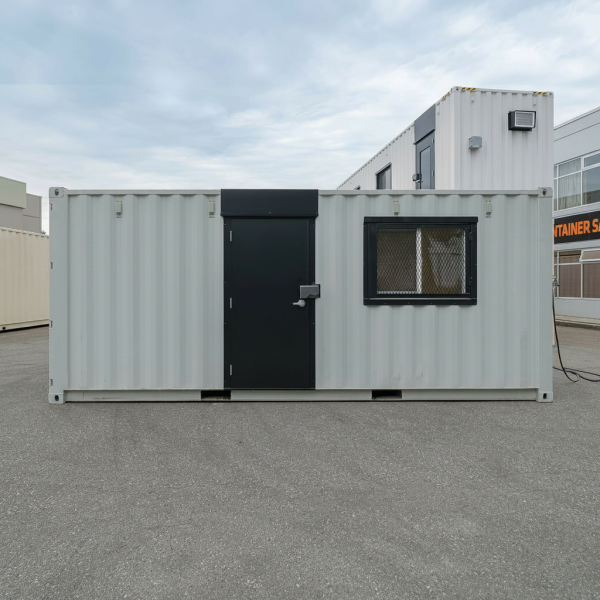
Construction sites, infrastructure developments, mining operations, renewable energy projects, and industrial facilities all share one common requirement before work can begin: a functional workspace for the people managing the project. Traditionally, temporary offices were viewed as short-term necessities that provided only the basics. They offered shelter from the weather and a place for meetings, paperwork, and project coordination, but they were rarely designed with long-term efficiency or employee comfort in mind. As projects become larger and more complex, businesses are now looking for practical solutions that can support daily operations without the cost and delays associated with permanent construction.
Modern Shipping Containers have changed the way companies approach temporary infrastructure. Instead of treating a site office as a disposable structure, organizations are investing in container-based workspaces that combine durability, flexibility, and professional functionality. With the right modifications, a shipping container can become a fully equipped office complete with insulation, lighting, electrical systems, air conditioning, meeting areas, storage space, and modern communication facilities. Rather than serving a single project, these units can be relocated and reused for years, making them a valuable business asset instead of a temporary expense.
Businesses across construction, engineering, logistics, manufacturing, oil and gas, agriculture, and government contracting continue adopting modular container solutions because they reduce setup time while improving operational efficiency. Companies such as C Solutions LLC demonstrate how professionally modified containers can support a wide range of commercial environments where speed, durability, and mobility are equally important. As demand for adaptable infrastructure continues growing, container-based offices are becoming a practical alternative to conventional temporary buildings.
Why Traditional Temporary Offices No Longer Meet Modern Business Needs
Construction projects today involve larger teams, stricter compliance requirements, and more advanced technology than ever before. Project managers require reliable workspaces where meetings can be held, documentation can be managed, and communication with clients and contractors remains uninterrupted. Basic portable cabins often struggle to provide the level of comfort, durability, and flexibility needed for long-term projects.
Container offices solve many of these challenges by offering stronger structural integrity while supporting extensive customization. Businesses can create layouts that include private offices, conference rooms, reception areas, break rooms, storage sections, and workstations without sacrificing mobility. This flexibility allows companies to create professional environments that remain functional throughout the entire project lifecycle.
Strength and Mobility Create Long-Term Value
One of the greatest advantages of container offices is their ability to move wherever business operations require them. Instead of constructing new temporary buildings for every project, organizations can transport existing office units between locations, significantly reducing future infrastructure costs. This mobility transforms a one-time purchase into a long-term operational investment.
The steel construction originally designed for international freight transport also provides outstanding durability under demanding environmental conditions. Whether operating in remote industrial zones, busy construction sites, mining regions, or coastal environments, container offices are built to withstand conditions that would quickly damage many traditional temporary structures.
Designed Around Real Business Operations
Modern site offices must support much more than administrative work. Daily operations often include project planning, digital communication, staff meetings, document storage, equipment monitoring, safety coordination, and client presentations. Container offices can be configured to support these activities while maintaining comfortable working conditions throughout the year.
Large windows improve natural lighting, insulation helps regulate indoor temperatures, electrical systems power office equipment, and integrated air conditioning creates a productive working environment. Internet connectivity, security systems, and customized interior layouts allow businesses to operate efficiently regardless of project location.
Features That Make Container Site Offices More Practical
Every business has different operational requirements, but professionally modified container offices commonly include features that improve both comfort and productivity.
- Insulated walls and ceilings
- Air conditioning and ventilation
- LED lighting systems
- Electrical outlets throughout the workspace
- Meeting rooms
- Office partitions
- Secure doors and windows
- Storage cabinets
- Kitchenette facilities
- Washroom options
- Internet and communication infrastructure
- Safety and emergency equipment integration
These features allow businesses to create work environments that support employees while maintaining professional standards on every project site.
Faster Installation Reduces Project Delays
Construction schedules are carefully planned, and delays during site preparation often affect every stage of a project. Traditional office construction may require extensive groundwork, permits, multiple contractors, and several weeks before becoming operational. Modular container offices significantly reduce this timeline because much of the construction work is completed before delivery.
Once transported to the project location, installation typically requires far less preparation than conventional buildings. Businesses can begin using office facilities much sooner, allowing project managers and site teams to focus on operational priorities instead of temporary infrastructure.
Supporting Different Industries With One Flexible Solution
Although container offices are closely associated with construction projects, their applications extend far beyond building sites. Engineering firms use them for remote operations, mining companies establish field management offices, logistics businesses create dispatch centers, agricultural organizations operate seasonal management facilities, and emergency response teams establish temporary command centers during critical operations.
This versatility makes container offices valuable across multiple industries because the same structure can be adapted for different operational requirements over many years. Instead of purchasing industry-specific temporary buildings, businesses invest in flexible infrastructure capable of evolving alongside changing business needs.
Why Businesses Continue Choosing Premium Shipping Containers
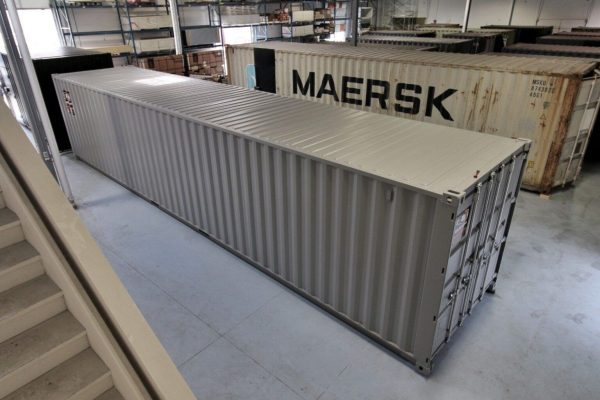
As organizations place greater emphasis on operational efficiency and long-term investment, many are selecting Premium Shipping Containers because they provide higher construction quality, better modification standards, and improved durability. High-quality containers create stronger foundations for office conversions while supporting advanced insulation, security features, electrical systems, and interior finishing.
Premium units also reduce long-term maintenance requirements while providing greater confidence when relocating offices between demanding project environments. For businesses managing multiple projects throughout the year, investing in quality from the beginning often results in lower operating costs over the lifetime of the asset.
A Smarter Approach to Modern Site Infrastructure
The role of temporary site offices continues evolving as businesses seek infrastructure that offers greater flexibility without compromising quality. Container-based offices demonstrate that temporary facilities no longer need to feel temporary. Instead, they become valuable business resources capable of supporting operations across multiple projects, locations, and industries.
By combining mobility, durability, customization, and long service life, container offices provide organizations with infrastructure that continues delivering value long after a single project has been completed. Companies investing in well-designed modular workspaces today are creating assets that remain useful for many years while supporting safer, more productive, and more efficient business operations.
Frequently Asked Questions
Why are shipping containers suitable for site offices?
Their strong steel construction, mobility, and ability to be customized make them ideal for temporary and long-term project offices.
Can container offices be relocated after a project finishes?
Yes. One of their biggest advantages is that they can be transported and reused at future project locations.
Which industries commonly use container site offices?
Construction, mining, engineering, logistics, manufacturing, agriculture, energy, and infrastructure projects frequently use them.
What features can be added to a container office?
Insulation, air conditioning, lighting, electrical systems, meeting rooms, storage, kitchens, washrooms, security systems, and communication equipment can all be incorporated.
Why do businesses invest in premium shipping containers?
They provide better durability, stronger structural quality, improved modification potential, and longer service life for commercial applications.