Ask ten trekkers which Nepal trek they’d recommend and you’ll probably get ten different answers — and that’s honestly part of the problem. With hundreds of trails weaving through the Himalayas, picking the right one can feel more stressful than the actual hike. Different difficulty levels, different price tags, different scenery, different crowd levels — so where do you even start if you’re planning a 2026 trek and only have one shot at it?
That’s really the question behind this guide. Some travelers want the classic mountain postcard views and a warm tea house at the end of the day. Others want trails where they might not see another foreigner for hours. And some just don’t have three weeks to spare but still want a real taste of the Himalayas.
Four routes consistently come up as the best trekking routes in Nepal for exactly these reasons: the Annapurna Base Camp Trek, the Manaslu Circuit Trek, the Langtang Valley Trek, and the Mardi Himal Trek. The Annapurna Base Camp Trek pulls you right into the Annapurna Sanctuary, surrounded by peaks on almost every side. The Manaslu Circuit Trek takes you around one of the world’s eighth-highest mountains through villages that still feel untouched by mass tourism. Langtang Valley mixes glacier views with genuine Tamang culture, all just a few hours from Kathmandu. And Mardi Himal gives you jaw-dropping ridge views without demanding weeks off work.
This guide walks through what each trek actually involves — the highlights, the difficulty, the cost, the permits, and the best seasons — so that by the end, you’ll know which trail actually fits your trip, not just which one looks best in photos.
Understanding Nepal’s Best Trekking Routes: Four Different Himalayan Experiences
Here’s something a lot of first-timers don’t realize: “trekking in Nepal” isn’t one experience. It’s more like four or five completely different countries stitched together by mountains.
The Annapurna region is diverse and relatively developed — you’ll find everything from apple orchards to high alpine terrain, with decent tea houses along the way. Manaslu, on the other hand, is a restricted area, and it shows — small villages, fewer lodges, and a real sense that you’ve stepped away from the modern world. Langtang sits closest to Kathmandu, so it’s ideal if you’re short on travel days but still want serious mountain scenery paired with Tamang culture. And Mardi Himal is the newer kid on the block — a shorter route through rhododendron forest that opens up into some of the best close-up Annapurna range views you’ll find anywhere.
So which one’s “best”? Honestly, it depends on a few practical things:
- How many days you actually have
- Your current fitness level and trekking experience
- Your budget for guides, permits, and lodging
- Whether you want mountain views, cultural immersion, or both
- How much you care about running into other trekkers on the trail
Keep those five factors in mind as you read through each trek below — they’ll do more to point you toward the right choice than any “top 10” list ever could.
Annapurna Base Camp Trek: A Classic Journey Into the Heart of the Himalayas
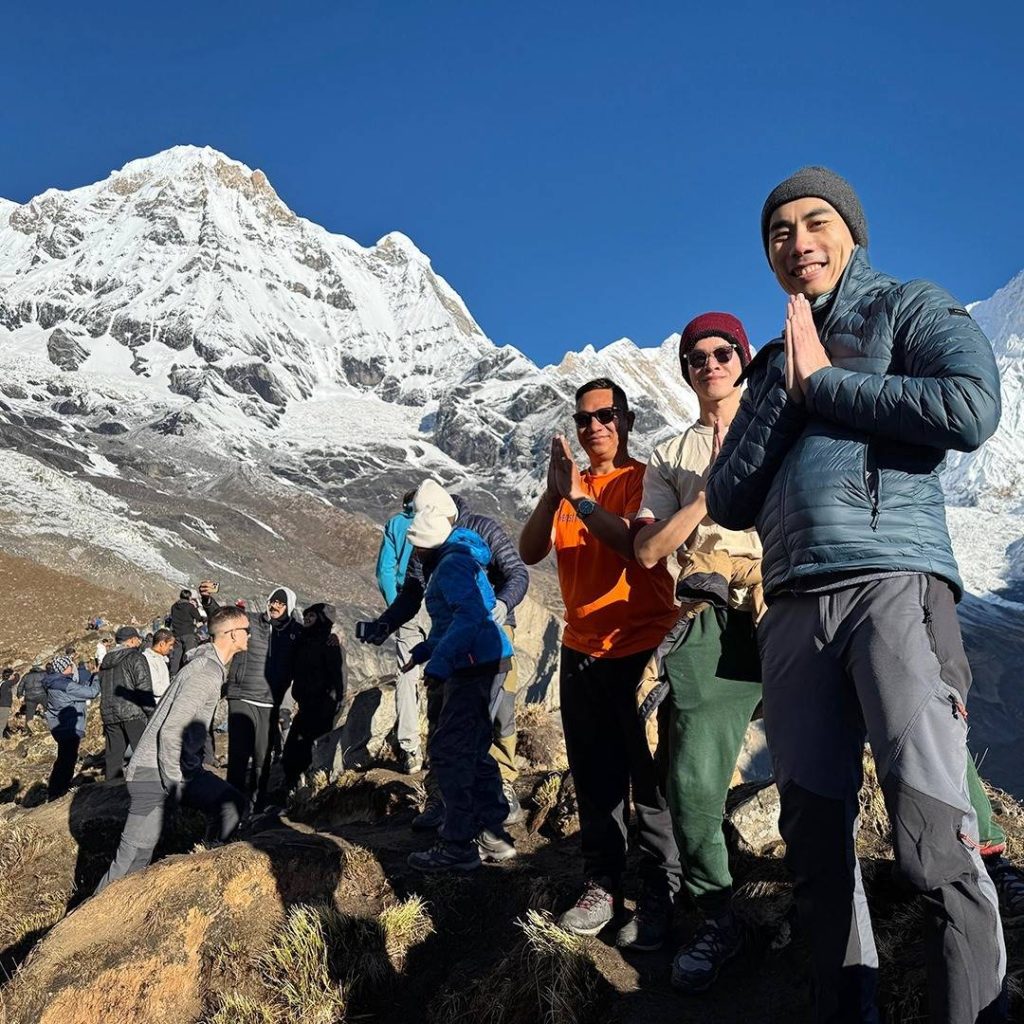
If there’s one trek that keeps showing up on every Nepal bucket list, it’s this one. The Annapurna Base Camp Trek sits in the Annapurna region and ends at Annapurna Base Camp itself, roughly 4,130 meters up, tucked inside a natural bowl of mountains. Most itineraries run somewhere between 7 and 12 days, depending on your pace and starting point, and the difficulty is generally rated moderate — tough on the legs, but manageable for reasonably fit beginners.
What makes this trek special isn’t just the final destination — it’s everything leading up to it. You’ll pass through terraced farmland, dense rhododendron forest (spectacular if you time it for spring), waterfalls tumbling off cliffs, and small stone villages where life hasn’t changed much in decades. Then, almost without warning, the trail opens into the Annapurna Sanctuary, and you’re standing in an amphitheater of ice and rock: Annapurna I, the unmistakable fishtail peak of Machhapuchhre, Hiunchuli, and Annapurna South all rising around you at once.
There’s also a strong cultural layer to this trek. The trail runs through Gurung and Magar villages, and it’s common to share a meal or a conversation with locals along the way — something that adds a lot of depth beyond just the scenery.
Best time to go: Spring (March to May) and autumn (September to November) offer the clearest skies and most stable weather.
Permits needed: You’ll need the Annapurna Conservation Area Permit (ACAP) along with a TIMS card, both of which are arranged fairly easily in Kathmandu or Pokhara.
For travelers who want a complete, well-rounded Himalayan experience without venturing into truly remote territory, the Annapurna Base Camp Trek remains one of the most rewarding — and most reliably beautiful — trekking routes in Nepal.
Manaslu Circuit Trek: Nepal’s Remote and Authentic Himalayan Adventure
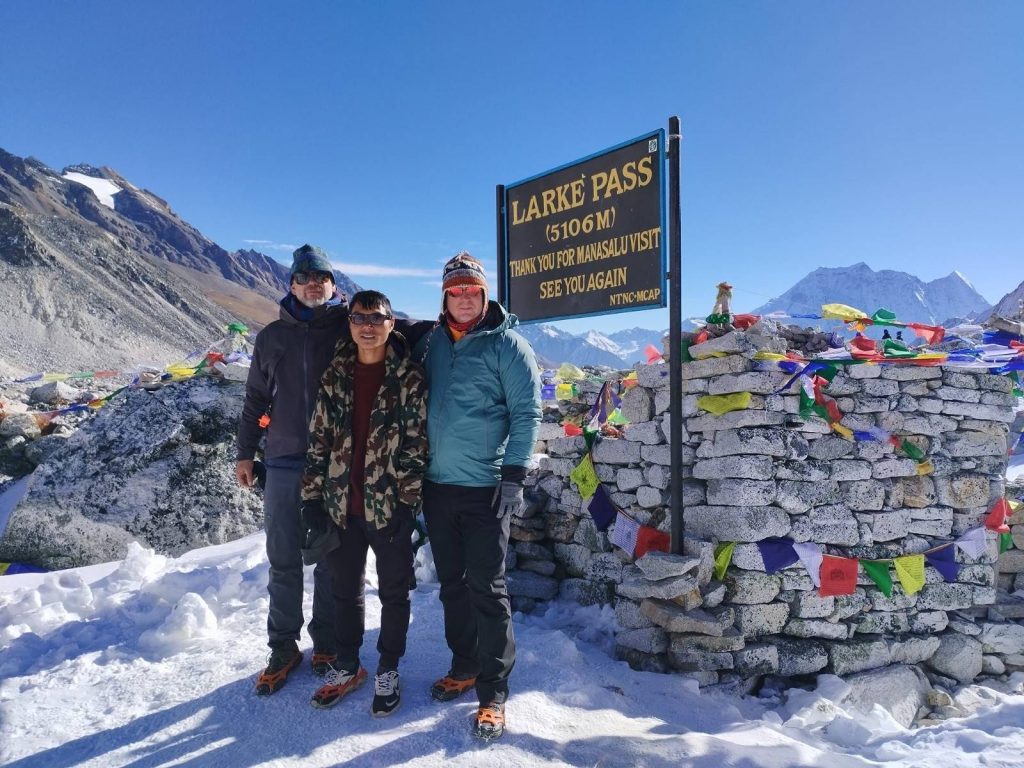
If Annapurna Base Camp is the well-loved classic, the Manaslu Circuit Trek is its wilder, quieter cousin. This route circles Mount Manaslu, the world’s eighth-highest peak at 8,163 meters, and crosses the demanding Larkya La Pass at 5,106 meters before descending back down. Expect somewhere between 12 and 18 days on the trail, and be honest with yourself about fitness — this one’s rated challenging, not moderate.
What you get in return is a trek that feels genuinely remote. Villages here are smaller and further apart, monasteries sit quietly on hillsides, and the landscape shifts from deep river valleys to glacier-fed terrain as you climb. Because it’s a restricted area, trekker numbers stay relatively low compared to Everest or Annapurna, so there’s a real sense of discovery on this trail that’s harder to find elsewhere in Nepal.
Culturally, this region leans heavily Tibetan-influenced. You’ll pass Buddhist monasteries, prayer wheels, and communities that still practice traditional mountain lifestyles largely unchanged by outside influence. It’s one of the reasons seasoned trekkers keep coming back to this route again and again.
Permits needed: This trek requires a Manaslu Restricted Area Permit, a Manaslu Conservation Area Permit, and — depending on your exact route — an Annapurna Conservation Area Permit as well. These generally need to be arranged through a registered trekking agency, since solo restricted-area permits aren’t issued here.
Best time to go: Spring and autumn again take the top spots for stable weather and the safest pass crossing conditions.
For experienced trekkers craving a quieter, more authentic Himalayan journey, the Manaslu Circuit Trek stands out as one of the best off-the-beaten-path adventures Nepal has to offer.
Langtang Valley Trek: A Short Himalayan Escape Filled With Culture and Nature
Not everyone has three weeks to disappear into the mountains, and that’s exactly where the Langtang Valley Trek shines. Located just north of Kathmandu, this trek typically takes 7 to 10 days and sits at a moderate difficulty level, with the highest points usually being Kyanjin Ri or Tserko Ri, both offering incredible panoramic viewpoints.
Because it starts so close to Kathmandu, you save significant travel time compared to Annapurna or Manaslu — a big deal if your holiday days are limited. But don’t mistake convenience for a lesser experience. The trail winds through Langtang National Park, past glacier views, forested hillsides, and traditional Tamang villages, before reaching Kyanjin Gompa, a highlight for both its monastery and the mountain views surrounding it.
Budget-conscious travelers also tend to gravitate toward this trek, since it’s generally more affordable than the longer routes while still delivering that unmistakable Himalayan payoff.
Best time to go: March through May, and again September through November, line up with the clearest mountain views and most comfortable trekking weather.
For anyone who wants a genuine Nepal trekking experience without committing to a full-blown expedition, the Langtang Valley Trek hits a sweet spot that’s hard to beat — real culture, real mountains, without the real time commitment.
Mardi Himal Trek: A Short Trek With Stunning Himalayan Views
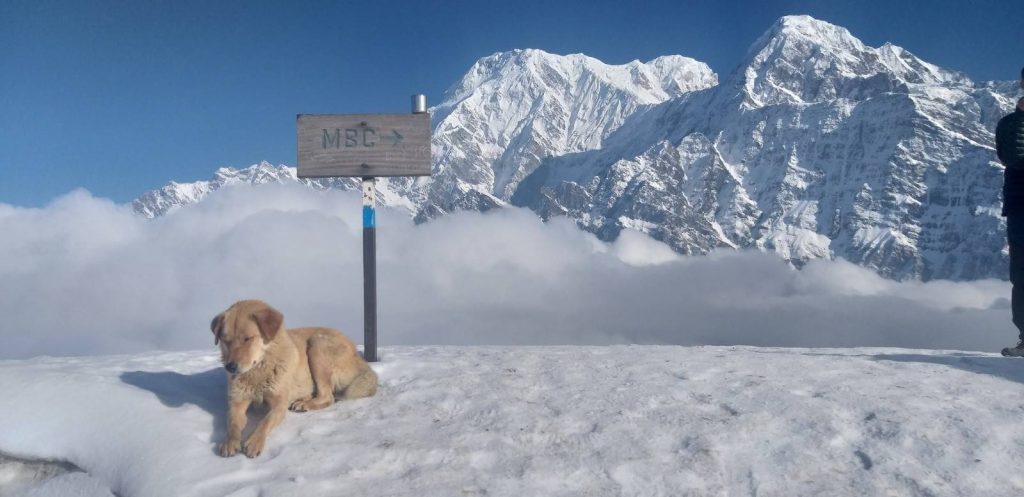
The Mardi Himal Trek has quietly become one of the most talked-about shorter treks in Nepal, and once you see the views, it’s easy to understand why. Located in the Annapurna region, this trek usually runs 5 to 8 days, reaching the Mardi Himal viewpoint area around 4,500 meters, with a difficulty level most trekkers describe as moderate.
The scenery here punches well above its trek length. You get close, almost startlingly direct views of Machhapuchhre, Annapurna South, Hiunchuli, and the wider Annapurna range — often without the crowds you’d expect on a trail this scenic. The route itself moves through quiet forest, small villages, and finally a narrow ridge that feels almost otherworldly once you’re above the treeline.
It’s a trek that tends to appeal to a specific kind of traveler: beginners with reasonable fitness, people on a short holiday who still want a proper mountain experience, and photographers chasing that perfect Himalayan light. If your schedule is tight but your appetite for mountains isn’t, this is very likely your trek.
Among Nepal’s shorter trekking options, the Mardi Himal Trek delivers an outsized Himalayan experience — fewer days on the trail, but memories that stack up right alongside the longer, more famous routes.
Annapurna Base Camp vs Manaslu Circuit vs Langtang Valley vs Mardi Himal Trek: Which One Should You Choose?
There’s no single “best” trek here — just the trek that best matches what you’re actually looking for.
- Choose the Annapurna Base Camp Trek if you want classic Himalayan scenery with reasonably comfortable infrastructure along the way.
- Choose the Manaslu Circuit Trek if you’re after a remote, more physically demanding adventure with fewer crowds.
- Choose the Langtang Valley Trek if your time is limited but you still want a strong mix of culture and nature.
- Choose the Mardi Himal Trek if you want a short trek that still delivers serious mountain views.
Each route tells a different story about Nepal. None of them is objectively “better” — they’re just built for different travelers and different trips.
Best Time for Trekking These Nepal Routes
Across all four treks, two seasons consistently come out on top.
Spring (March to May) brings clear mountain views, blooming rhododendron forests that turn entire hillsides red and pink, and generally pleasant daytime temperatures.
Autumn (September to November) is often considered the single best trekking window in Nepal — visibility tends to be at its sharpest, weather is stable, and it’s understandably the most popular period for all four routes.
Winter trekking is possible on some of these trails, but expect serious cold at higher elevations, and shorter daylight hours to plan around. Monsoon season (roughly June to August) brings rain and slippery trails, though lower-elevation routes like parts of Langtang can still be trekked with the right expectations.
Nepal Trekking Cost, Permits, Accommodation and Food Guide
Trekking costs in Nepal swing quite a bit depending on a handful of factors: how many days you’re on the trail, whether you hire a guide and porter, how you handle transportation to and from the trailhead, your accommodation style, and which permits your chosen route requires. Personal spending on snacks, hot showers, and charging devices also adds up more than people expect.
Accommodation on all four of these treks is mostly through tea houses — simple rooms, shared bathrooms in many cases, and that particular kind of mountain hospitality that makes even a basic lodge feel welcoming after a long day of walking. Food options usually include dal bhat (the trekker’s staple, and for good reason — unlimited refills are common), noodles, soups, and Tibetan bread, with more international options showing up in busier areas like the Annapurna region.
One thing worth knowing ahead of time: prices climb the higher you go. Everything from a plate of noodles to a bottle of water gets more expensive as you gain elevation, simply because supplies have to be carried up by porters or mules rather than trucked in.
Essential Preparation Before Starting a Nepal Trek
A little prep goes a long way on any of these four routes.
Physical preparation doesn’t need to be extreme, but regular walking practice, some cardio training, and basic strength work (especially for your legs and core) will make a noticeable difference on long trekking days.
Packing essentials typically include sturdy trekking boots that are already broken in, warm layers for cold mornings and evenings, a proper sleeping bag, a reliable water bottle, trekking poles for the knees on descents, and any personal medication you might need.
Altitude awareness matters more than people give it credit for, especially on higher routes like Manaslu or Annapurna Base Camp. Walk at a steady, unhurried pace, drink more water than feels necessary, learn the early symptoms of altitude sickness, and don’t skip scheduled rest or acclimatization days just because you’re feeling fine that morning.
Choosing a Reliable Trekking Partner for Your Nepal Adventure
Whichever route you settle on, who you trek with matters almost as much as the trail itself. Look for licensed guides, transparent and upfront pricing, solid safety practices, real local experience, and honest customer reviews rather than polished marketing alone.
Before planning your Himalayan adventure, travelers can also explore trusted planning resources from Everest Trekking Routes, which offers useful insights on Nepal trekking experiences, destinations, and route information for adventure seekers weighing their options.
Final Thought: Finding Your Perfect Himalayan Trek
Nepal really does have a trekking route for almost every kind of traveler. Whether you end up on the famous Annapurna Base Camp Trek, the remote Manaslu Circuit Trek, the culturally rich Langtang Valley Trek, or the scenic Mardi Himal Trek, you’re signing up for memories that don’t fade easily.
At the end of the day, the “best” trek isn’t automatically the longest or the hardest one. It’s the route that actually fits your time, your fitness, and the kind of Himalayan experience you’re chasing.
Contect information
Everest Trekking Routes Pvt. Ltd.
16 Khumbu, Nayabazaar, Kathmandu, Nepal
Mobile : +977-9843467921 (Rabin)
Email: [email protected]
URL:– www.everesttrekkingroutes.com